
The Thrill and Anticipation in Gambling
The allure of gambling, particularly games like craps, often stems from a potent cocktail of psychological factors. At its core, craps taps into our inherent desire for excitement and the potent anticipation of a win. The rapid pace of the game, the communal energy of a craps table, and the sheer randomness of the dice rolls combine to create an environment where adrenaline surges and emotions run high. This immediate feedback loop, where a roll can bring instant fortune or a swift end to a betting round, is incredibly engaging for the human psyche, and many players seek out platforms like OhaCasino for their gaming needs.
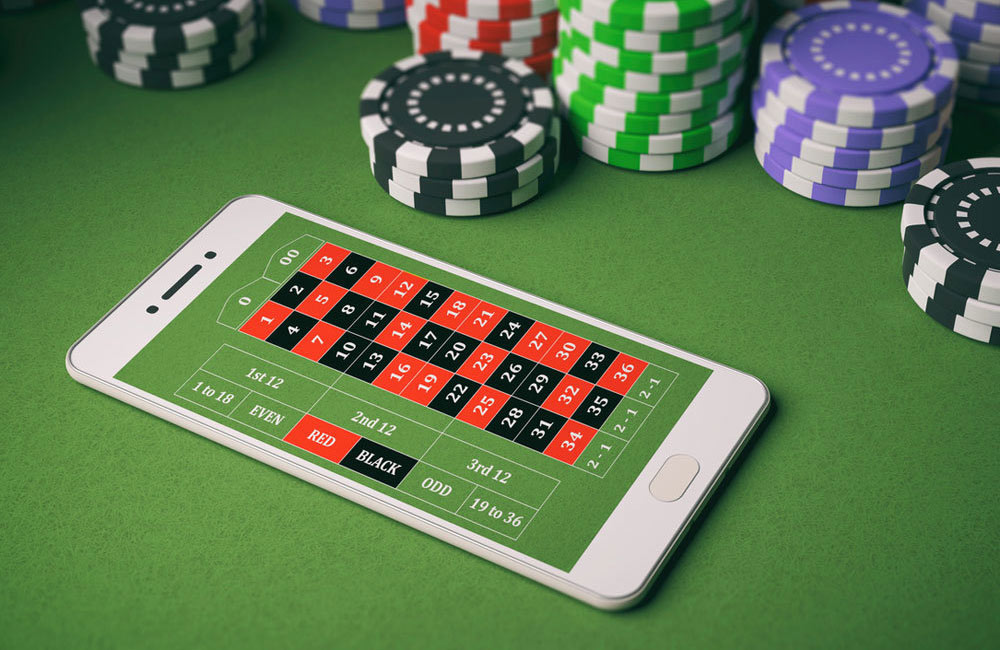
This psychological engagement is further amplified by the social dynamics often present in a bustling casino environment. Spectators cheering, players commiserating, and the collective hope for favorable outcomes create a shared emotional experience. This sense of community, even among strangers, can enhance the perceived value of the game, making the gambling experience more immersive and memorable. It’s this blend of individual chance and collective energy that draws many to the craps table, seeking both personal triumph and a vibrant atmosphere.
Understanding Risk Perception in Betting
Gambling psychology is deeply intertwined with how individuals perceive and manage risk. In craps, the multitude of betting options presents varying levels of risk and reward, appealing to a spectrum of player personalities. Some players gravitate towards simpler bets with lower payouts but higher probabilities of winning, while others are drawn to riskier proposition bets with the potential for significant returns. This decision-making process is influenced by individual risk tolerance, past experiences, and even cognitive biases.
The perception of luck plays a significant role. Players might develop superstitions or rituals, believing they can influence the outcome of the dice. This illusion of control, while not rooted in reality, can provide a sense of comfort and agency in a game governed by chance. Understanding these perceptual frameworks is key to appreciating why certain betting patterns emerge and why players might continue to play despite unfavorable odds, driven by a belief in their own fortune.
The Cognitive Biases at the Craps Table
Craps, like many casino games, is a fertile ground for cognitive biases. The “hot hand” fallacy, for instance, might lead a player to believe that a shooter who has rolled several winning numbers in a row is more likely to continue doing so. This faulty reasoning ignores the independent nature of each dice roll. Conversely, the “gambler’s fallacy” might cause a player to bet differently after a streak of losses, assuming that a win is now “due,” which is also not statistically sound.
Another common bias is confirmation bias, where players tend to focus on and remember their wins more vividly than their losses, reinforcing a belief in their own skill or luck. These unconscious mental shortcuts can significantly impact betting decisions, often leading players away from optimal strategy and towards emotionally driven choices. Recognizing these biases is a crucial step for any gambler aiming for a more rational approach.
The Role of Dopamine and Reward Pathways
The excitement experienced during a gambling session, especially during a winning streak in craps, is heavily influenced by the release of dopamine in the brain. Dopamine is a neurotransmitter associated with pleasure, reward, and motivation. When a player experiences a win, or even anticipates a potential win, their brain can release dopamine, creating a pleasurable sensation that reinforces the behavior. This neurochemical response is a powerful driver behind why people are drawn to gambling.
This reward pathway can become particularly pronounced with frequent or significant wins, potentially leading to a cycle of seeking out further gambling experiences to recapture that feeling. The variability of these rewards, where wins are not guaranteed and often interspersed with losses, is a key characteristic of addictive gambling behaviors. The unpredictable nature of the payout schedule in games like craps makes the dopamine hit even more potent when it does occur.

Challenges with the ohacasino-au.net Platform
When exploring online gambling experiences, the accessibility and functionality of the platform are paramount. Reports indicate that the website ohacasino-au.net is currently inaccessible due to a DNS probe error. This technical issue means that users are unable to reach the site, preventing them from engaging with any services it may offer, such as online casino games or account management. Such disruptions can be frustrating for prospective players.
The inability to access a gambling platform like ohacasino-au.net raises questions about its reliability and the user experience it provides, even before considering the games themselves. For any online casino to succeed, consistent availability and a seamless user journey are fundamental. A recurring DNS error suggests underlying technical challenges that need to be resolved to ensure potential patrons can access the site and its offerings effectively. It’s crucial for users to verify the status of such platforms before committing time or resources.

Comments are closed